

If you’re weighing up craps vs roulette at an Aussie online casino, the maths behind each table matters more than the noise on the felt. We’ve run the pricing and exposure models on both sides, and the edge differences change how fast your bankroll moves. You can check out https://playozwinonline.com/au to see how a local-facing operator structures its table limits and bonus mechanics before you commit any real money.
Picking the right table for your bankroll and temperament

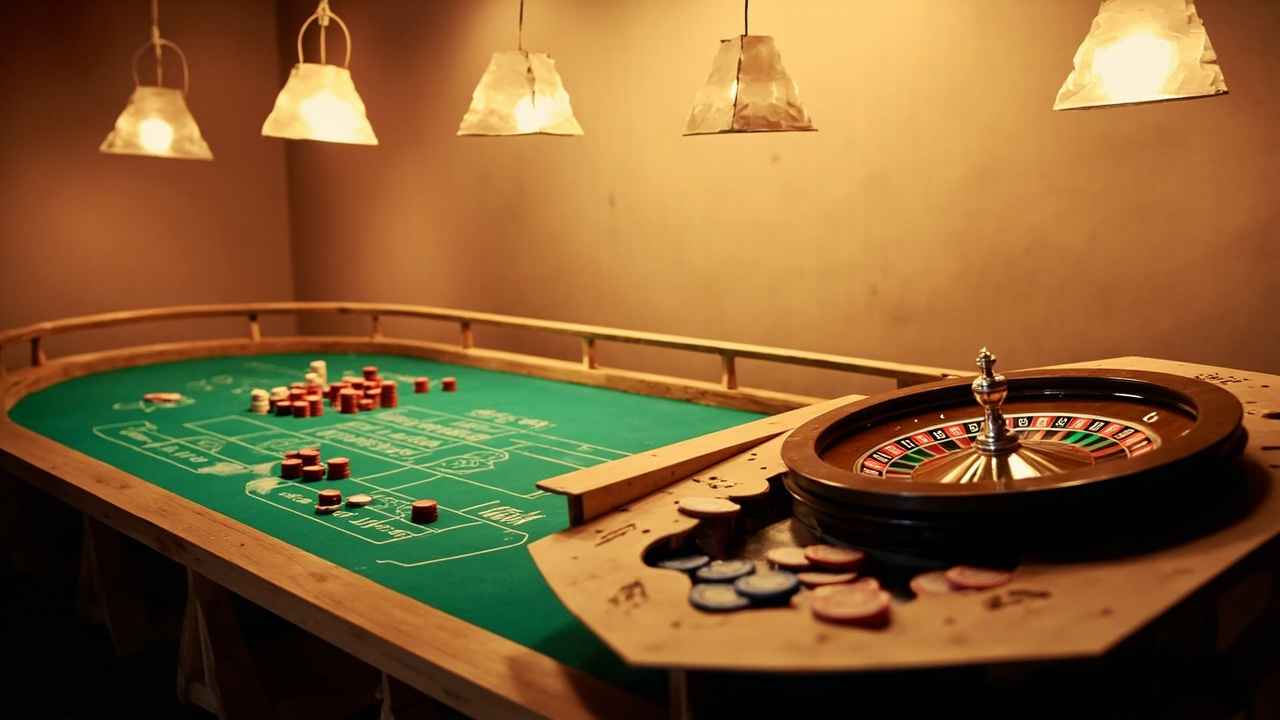
Craps and roulette reward completely different temperaments, and the pricing side of the business makes that obvious once you look at the hold rates. Craps is loud, fast, and heavily dependent on pass-line fundamentals plus the odds behind them, which means a disciplined punter can keep the house edge lean if they avoid the proposition bets that bleed money. Roulette is slower, more solitary, and the European wheel with a single zero gives you a cleaner theoretical loss rate than the double-zero American layout, but you’re still paying that zero every spin. From a risk-management view, craps exposes you to bigger swing variance on a single hand, while roulette spreads the exposure across a steadier drip of small stakes. If you’re the sort who likes to control your outlay and watch the numbers tick, roulette fits; if you want a table where you can press a winning run and manage your own odds behind the line, craps is the call.
How the odds, edge, and volatility actually differ
The edge on each table isn’t just a textbook figure, it’s the number that drives how a trading desk prices its liability across a session. On craps, the pass and don’t-pass lines sit around the low-house-edge mark, and laying true odds behind them drops your blended edge even further, which is why serious players treat the proposition bets as a separate, expensive product. Roulette’s single-zero wheel keeps the house edge at roughly 2.7 per cent on straight-up and even-money calls, but that edge is baked into every outcome, so there’s no odds bet to offset it. Volatility is the real differentiator: craps can swing hard on a short run of come-out rolls, while roulette tends to grind with smaller, more frequent variance. The practical takeaway for an ordinary Aussie reader is simple – someone in Western Sydney dropping into a Friday arvo session will feel the difference in how quickly a bankroll moves, because craps can turn a couple of hours into a sharp peak-and-trough ride, while roulette usually feels like a slower burn with the same theoretical cost per dollar wagered.
| Table feature | Craps | Roulette |
|---|---|---|
| Base house edge (core bets) | Low on pass/don’t-pass, high on props | ~2.7% on single-zero, ~5.26% on double-zero |
| Volatility | High on short runs, controllable with odds | Steady, spread across every spin |
| Pace | Fast, multiple bets per roll | Slower, one outcome per spin |
| Best fit for bankroll control | Players who lay odds and avoid props | Players who want a simpler, quieter ride |
Ongoing value after the welcome offer lands
The welcome offer gets you in the door, but the recurring promos, cashback, and loyalty setup are what decide whether a place keeps your custom once the bonus wagering is done. A solid operator will run weekly cashback on table losses, rotating promos that drop extra value on specific wheels or dice games, and a loyalty tier that actually rewards repeat play rather than just flashing a badge. Tournaments can add a nice layer if you’re competitive, but the real ongoing value is in the cashback and VIP terms that soften the edges we talked about earlier. If you’re comparing craps vs roulette over a month of sessions, the player who benefits most is the one whose play style matches the recurring promos – someone grinding roulette might lean on cashback and reload perks, while a craps regular could get more out of loyalty rebates that recognise higher table turnover. The trick is to treat the bonus as a one-off bridge and judge the venue on what it offers after that bridge is crossed.
How an Aussie player should read the table choice
For an ordinary Australian reader, the choice between these two tables comes down to how you want your evening to feel and how you plan to manage your money. A mate working shifts in Western Sydney might reckon a quieter roulette session suits a tired arvo better, because the pace is easier to track and the stakes are simpler to cap. Another player who’s busy as a one-armed tinsmith all week might prefer craps on the weekend, because the energy and the odds bets give a proper focus if they’re disciplined about skipping the expensive props. The key is to match the table to your temperament and your bankroll rules, not to the hype on the felt. Defo don’t treat either game as a way to make money, and no worries if you walk away after a set loss limit – managing exposure is the whole point, not chasing a result that the maths says will cost you over time.
- Check the wheel type before you sit down, because a single-zero layout is a fairer theoretical deal than a double-zero one.
- On craps, keep your core bets simple and lay odds only if the table allows it and you understand the variance.
- Match your session length to the pace of the table, since faster games can chew through a bankroll before you notice the drift.
- Treat loyalty cashback and recurring promos as the real reason to stay, not the welcome bonus that gets you registered.